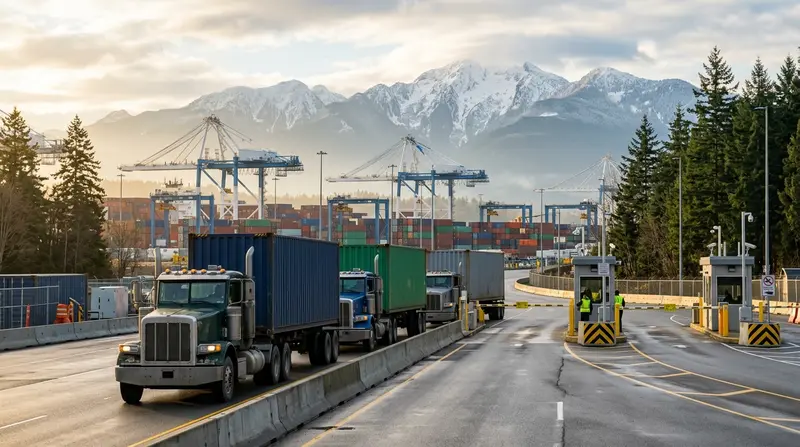
Port of Vancouver
Lower Mainland terminals, TLS tags and BC pay checks.

Ports
Every port has its own terminals, rules and money, and Dispatch Board does not pretend otherwise. Choose your gateway to see what applies there.
The core of Dispatch Board does not change from port to port. You enter each terminal’s gate hours and closures by terminal and date, and Plan day avoids a move timed into a shut gate. Hold alerts appear before a driver is sent. Container tracking runs through Terminal49 for availability and last free day where it covers your line and terminal, and vessel arrival alerts use an AIS provider you choose with your own key. Empty return restrictions, appointment rules and slot capacity are kept per place.
When money is at stake, each per diem day carries a reason and the dispute letter carries the evidence. Chassis bills from DCLI, TRAC and Flexi-Van are checked against your own dates, and waiting time is audited from GPS pings in a geofence.
Dispatch Board stores records and warns of expiries. It does not file with regulators.
The Vancouver page covers the Lower Mainland terminals, TLS tags and BC pay checks. Prince Rupert is a rail-first gateway on the north coast. Seattle and Tacoma covers the Northwest Seaport Alliance and carriers crossing the border. Los Angeles and Long Beach covers the San Pedro Bay terminals and gate timing. Montreal covers the St. Lawrence terminals and Quebec taxes. The Toronto page is about the CN Brampton and CPKC Vaughan rail ramps rather than a port.
Dispatch Board does not book appointments automatically in terminal systems such as eModal, and there is no EDI. It is not connected to any terminal’s own gate system. Nothing on these pages should be read as a statement about port statistics, volumes or fees, which change; always confirm with the terminal or authority.
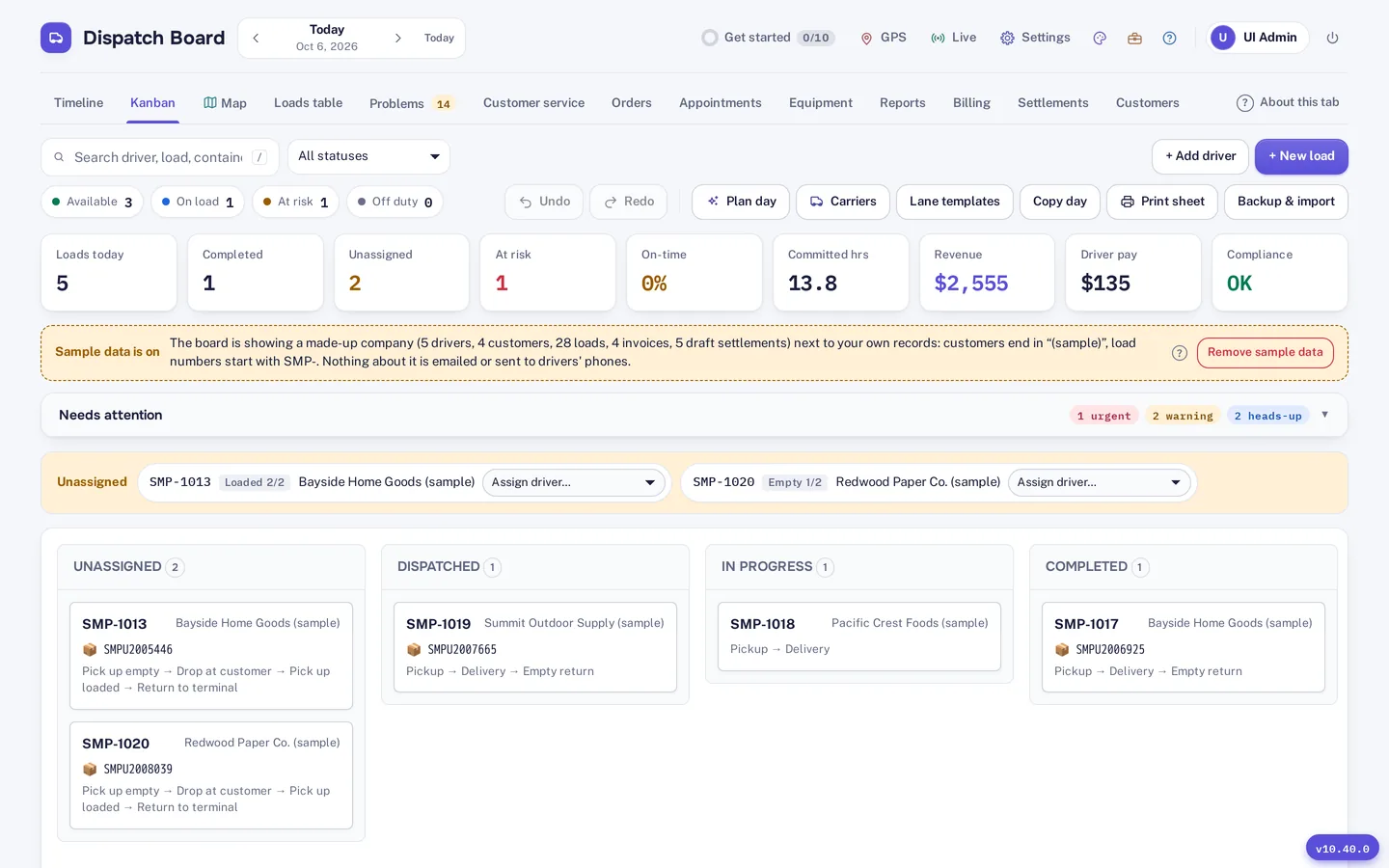
The photographs on these pages are generated scenes of container terminals and trucks, not photographs of the named places. Product screenshots are marked and use made-up sample data.
Read the page for the gateway you work most, then the ones next to it. Some carriers work more than one gateway. Seattle and Tacoma are within a few hours' drive of the border, so some Canadian carriers cross there. Montreal and the Toronto rail ramps can be the two ends of one rail move: a box lands at the river port, travels by rail, and is delivered from a ramp near Toronto.
Each page lists real, checkable places such as terminals, authorities and railways, with a reminder to confirm current procedures. They also say what the software does with that information, which is usually to store the gate hours, closures, appointment rules and documents that you enter, and to warn your dispatchers before a driver is sent somewhere that will not work.
Lower Mainland terminals, TLS tags and BC pay checks.
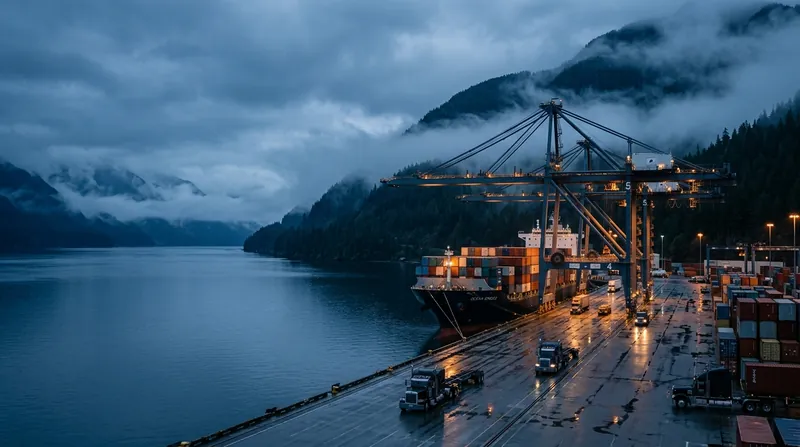
A rail-first gateway on the north coast.
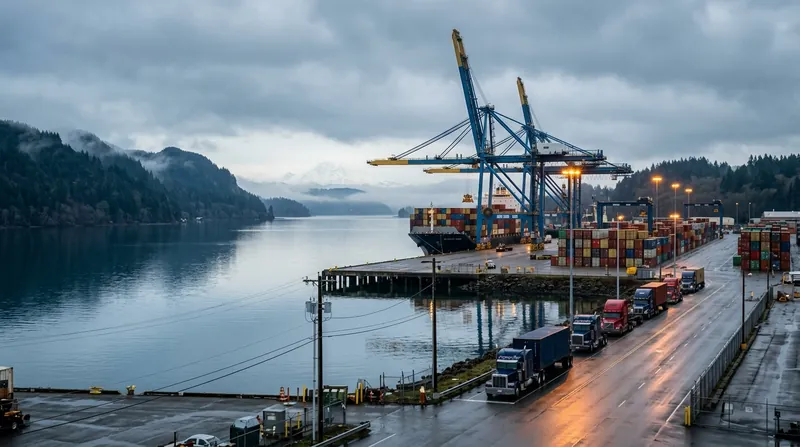
Northwest Seaport Alliance terminals and cross-border carriers.
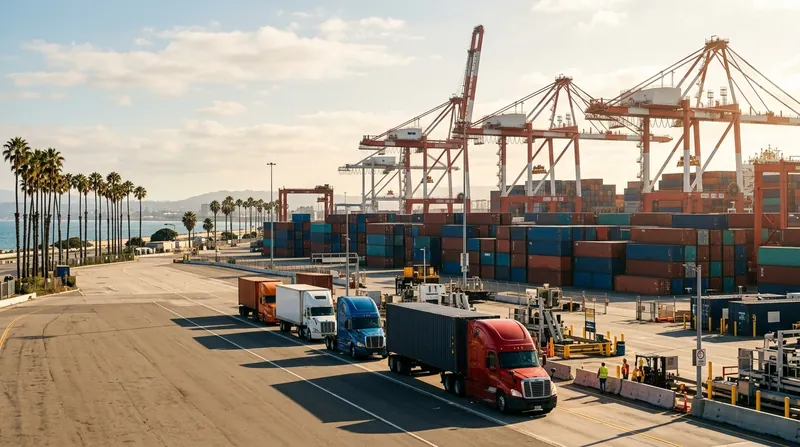
San Pedro Bay terminals, gate timing and chassis.

St. Lawrence terminals, cutoffs and Quebec taxes.
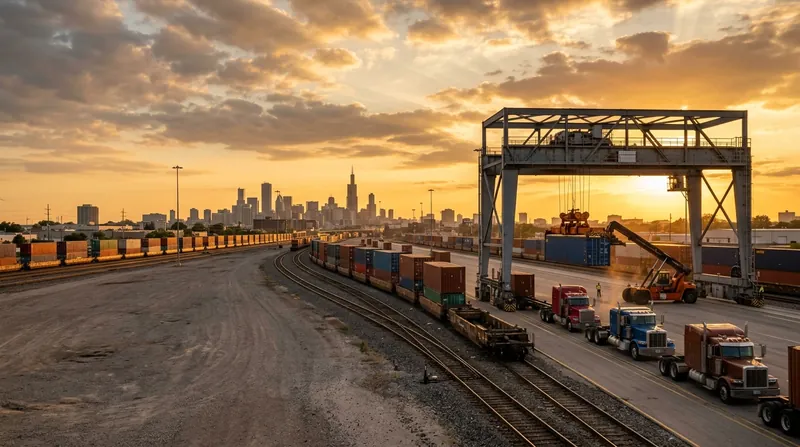
CN Brampton and CPKC Vaughan intermodal ramps.
Self sign-up gives you a company with sample data and a get-started checklist, so you can look around before you enter anything of your own. Then bring in your real freight: import drivers, trucks, chassis, customers, rate tables and loads from Excel, CSV or a PDF rate sheet. The importer matches columns by heading, checks every row before saving and flags duplicates.
Add your terminals and their gate hours, invite your drivers to the driver app, and run a real week alongside your current system. The Help Center has a guide for every screen. A bar at the top of the board shows the days left in the 14-day trial, and the account owner gets an email two days before it ends. Plans are month to month, and you can download a backup file and a CSV of your loads at any time.
Questions
Yes. Terminals, gate hours and closures are entered by you, so nothing is tied to a specific port.
Tracking runs through Terminal49 and depends on its coverage of your shipping line and terminal. Check your own containers in the trial.
Loads, invoices and pay can be in USD with miles, and IFTA reports are included. We have not built US-state specific features.
Start the 14-day free trial, import a week of loads and add your terminals.
Only for vessel arrival alerts. You supply your own provider key.
Pick the page that matches your company type.
Terminal49 tracking, last free day, vessel ETA, holds and closures.
A reason for every charged day, rebill and dispute letters.
Every company gets 14 days free with no card. Import a week of your own freight and judge it yourself.