Guide
How to build a drayage rate sheet.
Base rates, fuel surcharge, accessorials and terms in a layout you can copy into a spreadsheet, with a worked quote.

Guides / BC rules
Who needs a CTS licence, how the rate order is structured and a period-by-period pay check, with links to the official OBCCTC pages.
British Columbia regulates container trucking at its Lower Mainland ports through the Container Trucking Act, passed in 2014. The law exists to keep driver pay and licensing stable for the trucking that serves the port terminals. It is administered by the Office of the BC Container Trucking Commissioner (OBCCTC), which describes its job as enforcing compliance with the Act, issuing Container Trucking Services (CTS) licences under the Truck Licensing System, and supporting policy review.
If you dispatch containers in and out of Vancouver terminals, this is the rulebook behind your driver settlements. Getting it wrong shows up as underpaid drivers, complaints and enforcement, so it is worth building a routine around it.
This guide is general information, not legal advice. The OBCCTC publishes the authoritative rules, orders and decisions. Where a figure or deadline matters, we tell you where to check it instead of quoting a number that may be out of date.
According to the OBCCTC’s FAQs, a company needs a CTS licence if it performs container trucking services that require access to a marine terminal in the Lower Mainland. The FAQs also say off-dock moves that do not need terminal access do not require the licence, and that licensees cannot subcontract container trucking work to non-licensees. “Container trucking services” means transporting a container by truck, and a container is defined in the regulation as a metal box furnished or approved by an ocean carrier for marine transport of goods.
Two practical points follow. First, check which of your moves actually touch a terminal, because that decides which work falls under the licence and the rate order. Second, check any carrier or owner-operator you hand work to: sending port work to someone without a licence is a licence problem for you, not just for them. The OBCCTC publishes the current licence terms and a record of enforcement for current licensees, so read them before you rely on a summary like this one.
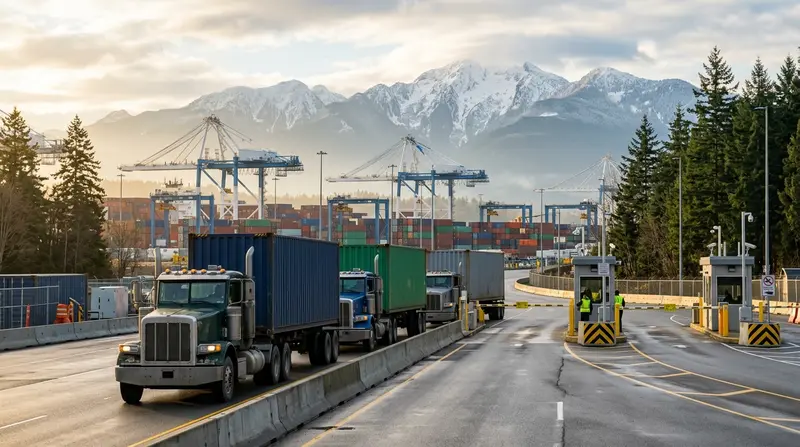
The Commissioner sets minimum remuneration through a rate order. The 2026 order took effect on 1 July 2026, and rates have been adjusted on 1 July in recent years, so treat the date as something to check each summer. The order separates three groups of drivers:
A few features of the structure matter for dispatch and settlement:
Do not copy rates from an old article or a spreadsheet. Open the current rate order on the OBCCTC site and use it as the source for every settlement.
Most pay errors come from the gap between how the work was dispatched and how it is paid.
The most reliable control is a comparison made before payment goes out, not after a complaint.
An illustration with made-up numbers, not real rates: say the order required, for one week, an amount equal to 40 hours at a made-up hourly figure, and your trip pay plus wait pay for the same week came to less than that. The shortfall is a straight underpayment, and finding it before payday is far cheaper than finding it in a complaint. The point is the habit of comparing your payout with the order every period.
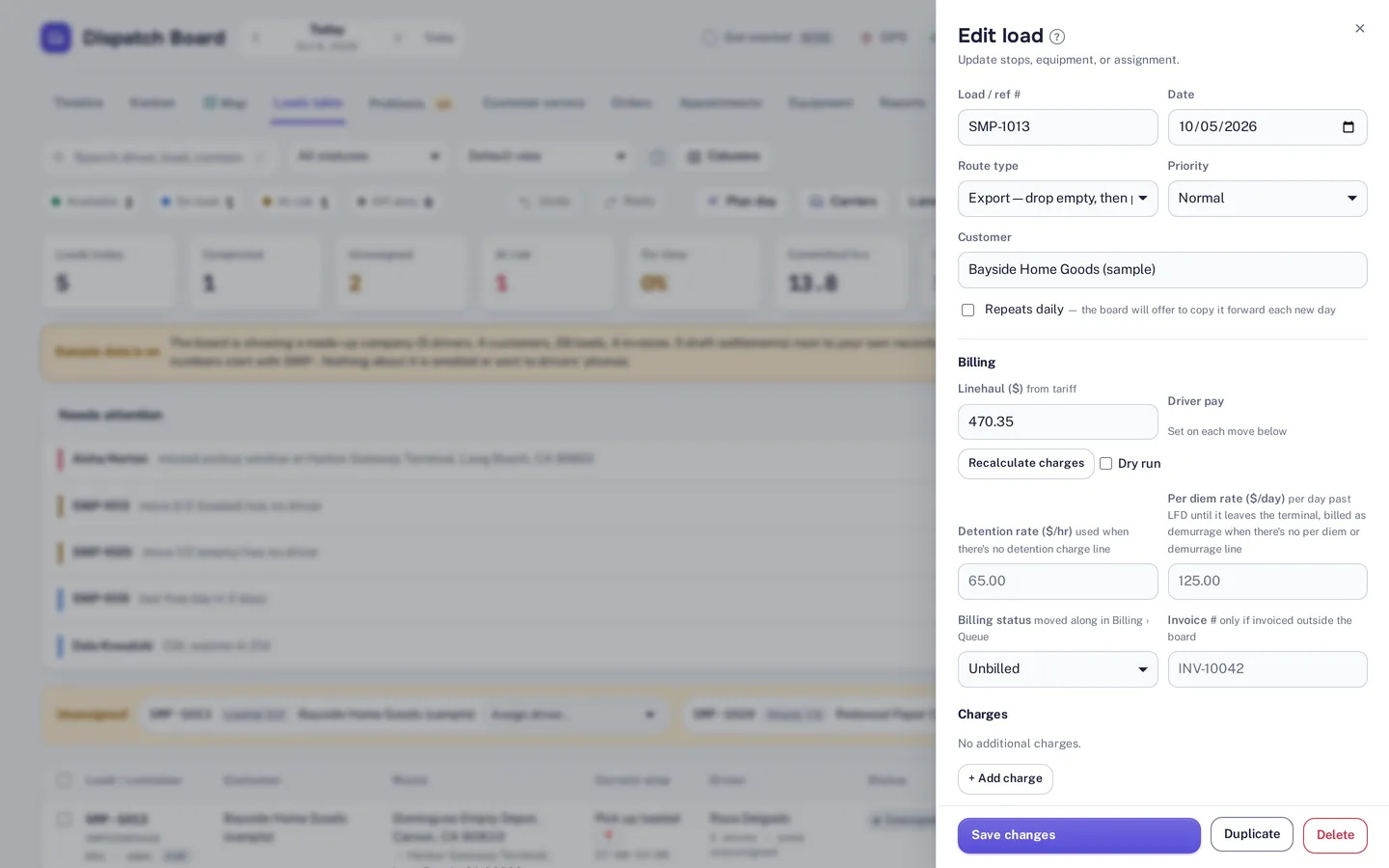
The OBCCTC can ask a licensee to show how it complied. The regulation and your licence terms set what you must keep and for how long, so read them on the OBCCTC site rather than relying on a rule of thumb. As a baseline, keep dispatch records for every move, terminal gate times, driver time records, pay statements, the rate order version you applied, and your working for each period’s comparison. Records that agree with each other are the best protection if a driver questions a statement.
No. The OBCCTC says a CTS licence is required for container trucking services that need access to a marine terminal in the Lower Mainland. Off-dock moves that do not need terminal access do not require it. If you are unsure which of your moves are covered, ask the OBCCTC.
Rates are set by the Commissioner in a rate order, and recent orders have taken effect on 1 July. Check the current order on the OBCCTC website each year and whenever a bulletin announces a change.
The rate order allows independent operators to be paid by the trip or hourly, using the published trip rate schedules and rate zones. Whatever you agree, the remuneration must meet the order, so check the current order and your licence terms before setting a flat rate.
On the OBCCTC website under Rates: the rate order, the rate zone map, the fuel surcharge page and the overtime calculator. Do not rely on a figure quoted elsewhere without checking the current order.
Correct it promptly, document what happened and how you fixed it, and read the OBCCTC’s guidance. For anything serious, speak to a lawyer or the OBCCTC directly.
Dispatch Board has an optional BC port compliance add-on built for this routine. It keeps the rate order in the board, runs a pay check each period against what you actually paid, and prepares a file for the Commissioner. It starts from the published 1 July 2026 figures, so confirm them against the current order. The add-on works with the rest of the system: settlements for employee drivers, owner-operators and carriers, with deductions carried forward, and a waiting-time audit that uses GPS pings in the terminal geofence as evidence.
If you are not in Vancouver, the same discipline applies to any pay rule you have to meet: record the move, record the wait, compare the pay. You can try it on your own freight with a 14-day free trial.
This guide is general information from the Dispatch Board team, not legal, tax or accounting advice. Rules and rates change: confirm against the official source linked in the text before you rely on them.
Keep reading
Guide
Base rates, fuel surcharge, accessorials and terms in a layout you can copy into a spreadsheet, with a worked quote.
Guide
Who needs an IFTA licence, what goes in the quarterly return and how drayage idling and short moves create audit risk.
Guide
Eight steps from business number to first invoice, with pointers to where each current rule is published and the mistakes new carriers repeat.
Product
Product
Start a 14-day trial and add the BC port compliance add-on for $79 a month on any plan.